Soil Health Kit
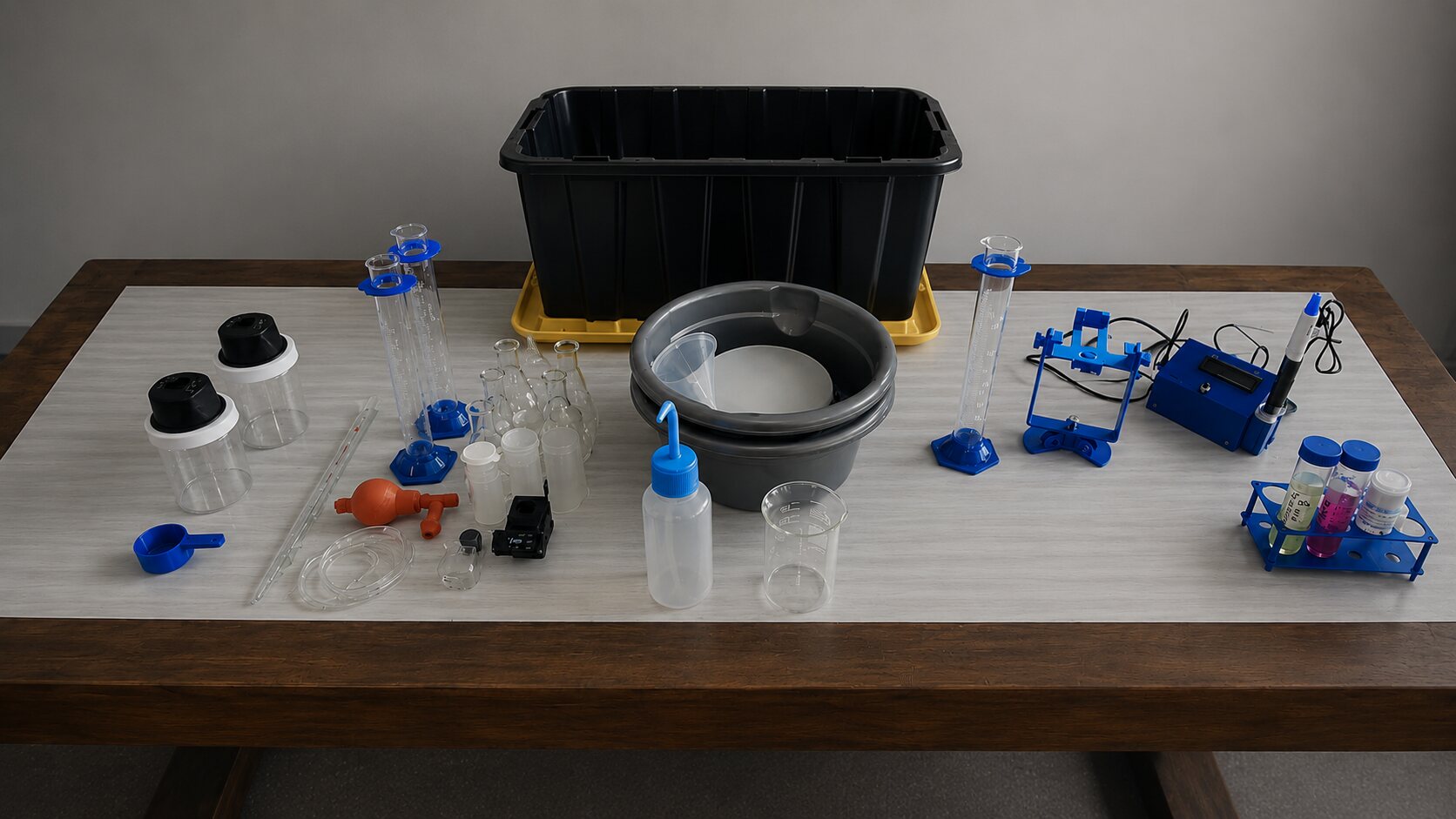
Open tools to observe, record and understand soil health.
The Kit brings together instruments, methods and free/open-source software so technical teams, researchers and rural organizations can independently analyze physical, chemical and biological parameters of agricultural soils.
It supports participatory experimentation and learning, enables comparable records and strengthens collective knowledge-building around agroecological practices.
Data collection and management
An open workflow connects field data collection with analysis and interpretation of results.
Field records
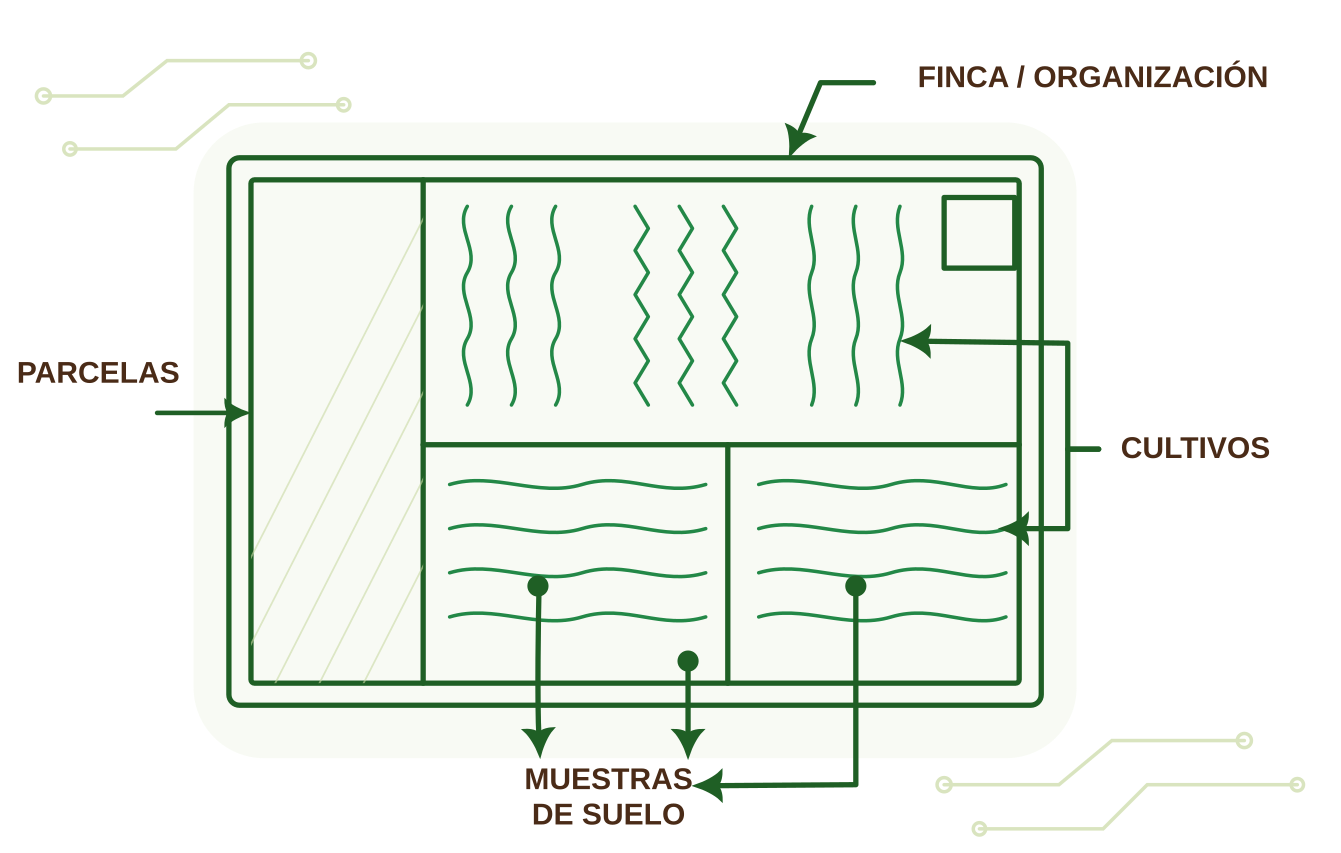
Open surveys record information about the farm, plot, crop and each soil sample. The model keeps data organized, reusable and interoperable.
- Farmer survey
- Plot survey
- Sample records
- Shared ontologies and vocabularies
Soil web application
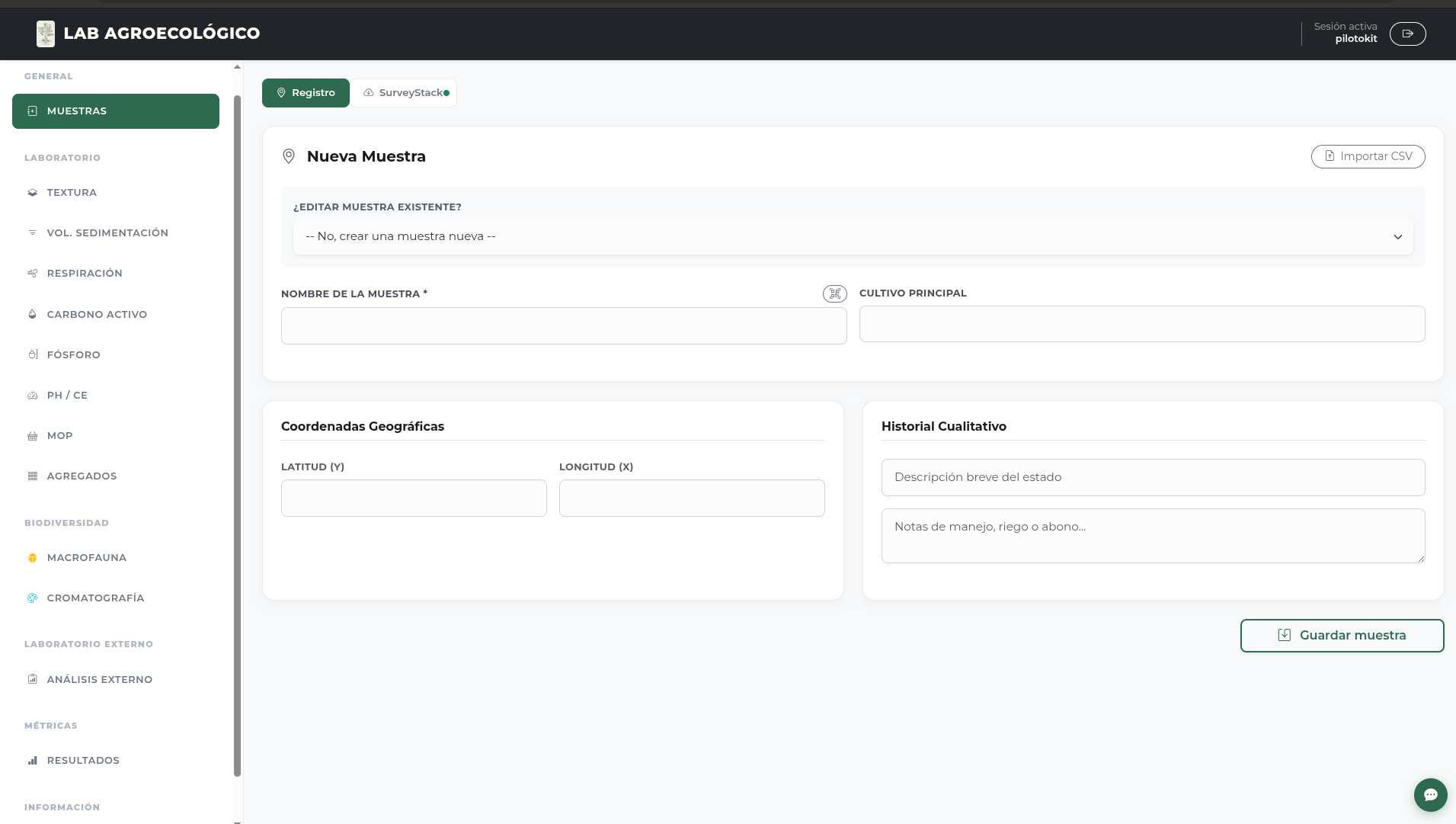
The platform integrates sample management and analytical results. It can import SurveyStack records, work offline and synchronize data later.
- Guided analysis entry
- Result tables and records
- Comparative charts, radar plots and maps
- CSV data export
Open documentation
The manual contains protocols, operating instructions, interpretation criteria and files for building or adapting devices. All material can be reviewed and improved collaboratively.
Analysis methods
The protocols combine simple field methods and accessible laboratory techniques to build an integrated view of soil as a living matrix.
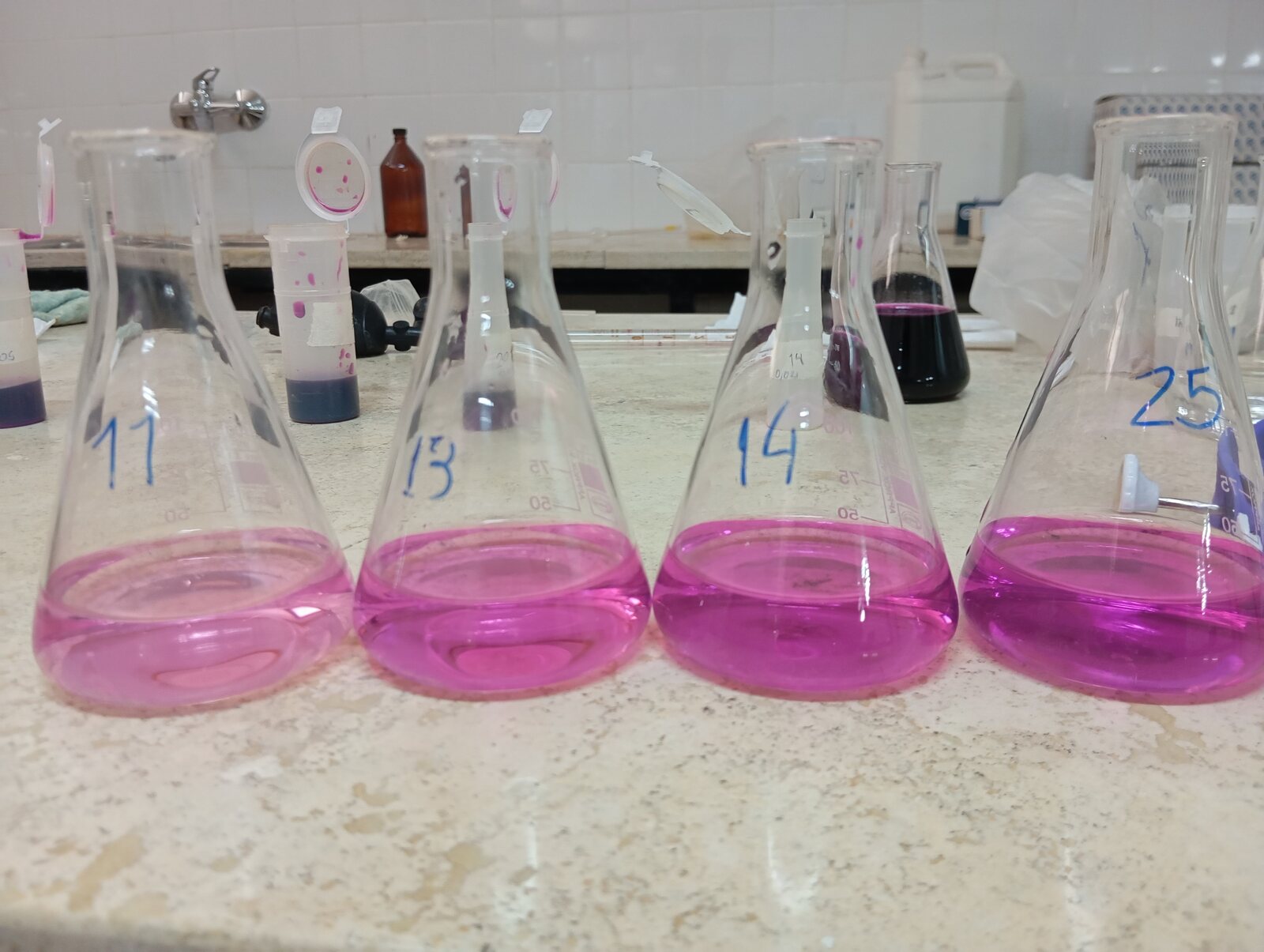
- Texture
- pH and electrical conductivity
- Soil respiration
- Active carbon (POXC)
- Available phosphorus
- Particulate organic matter (POM)
- Aggregate stability (Slakes)
- Sedimentation volume
- Soil chromatography
- Macrofauna
Open tools and instruments
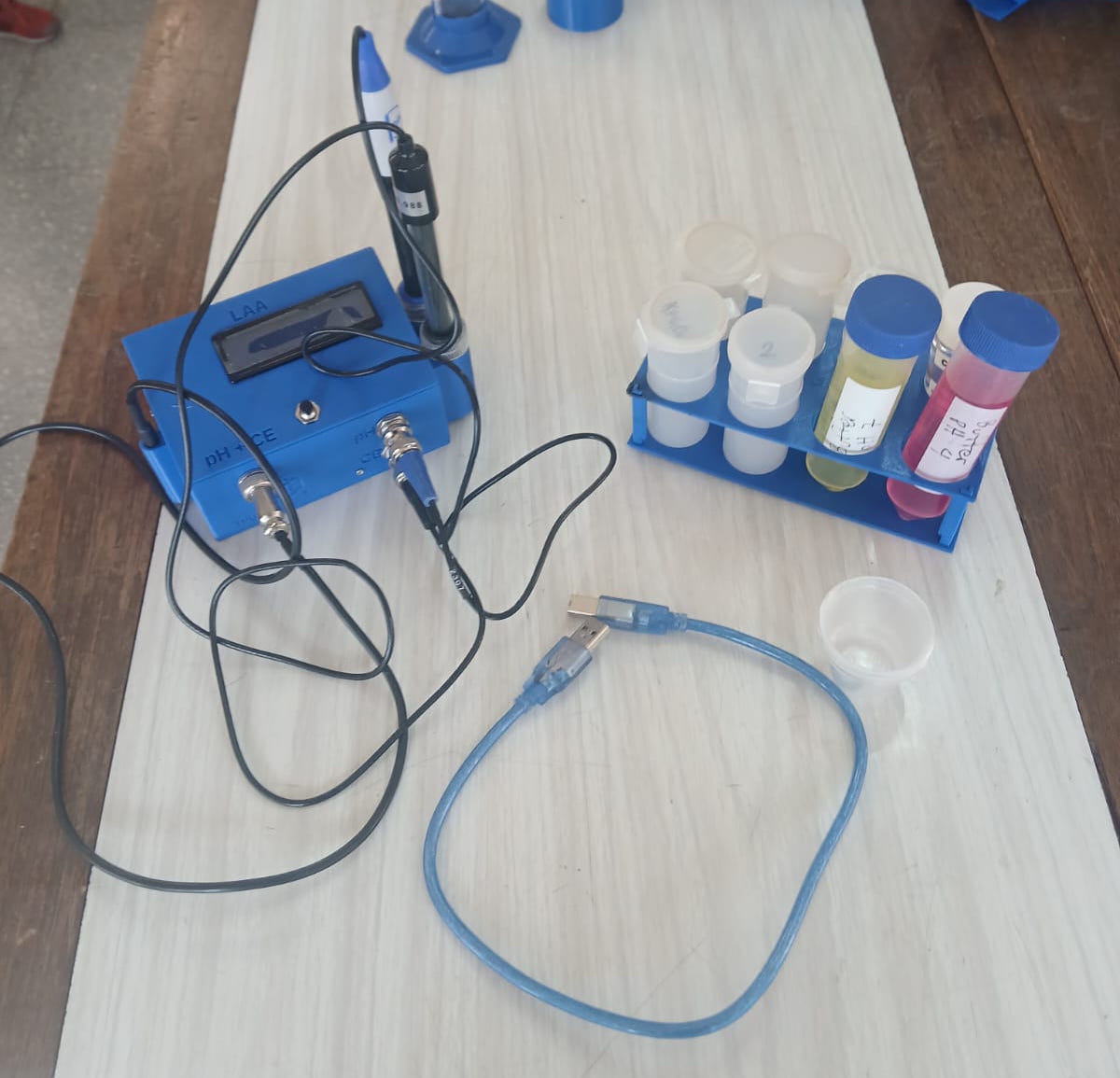
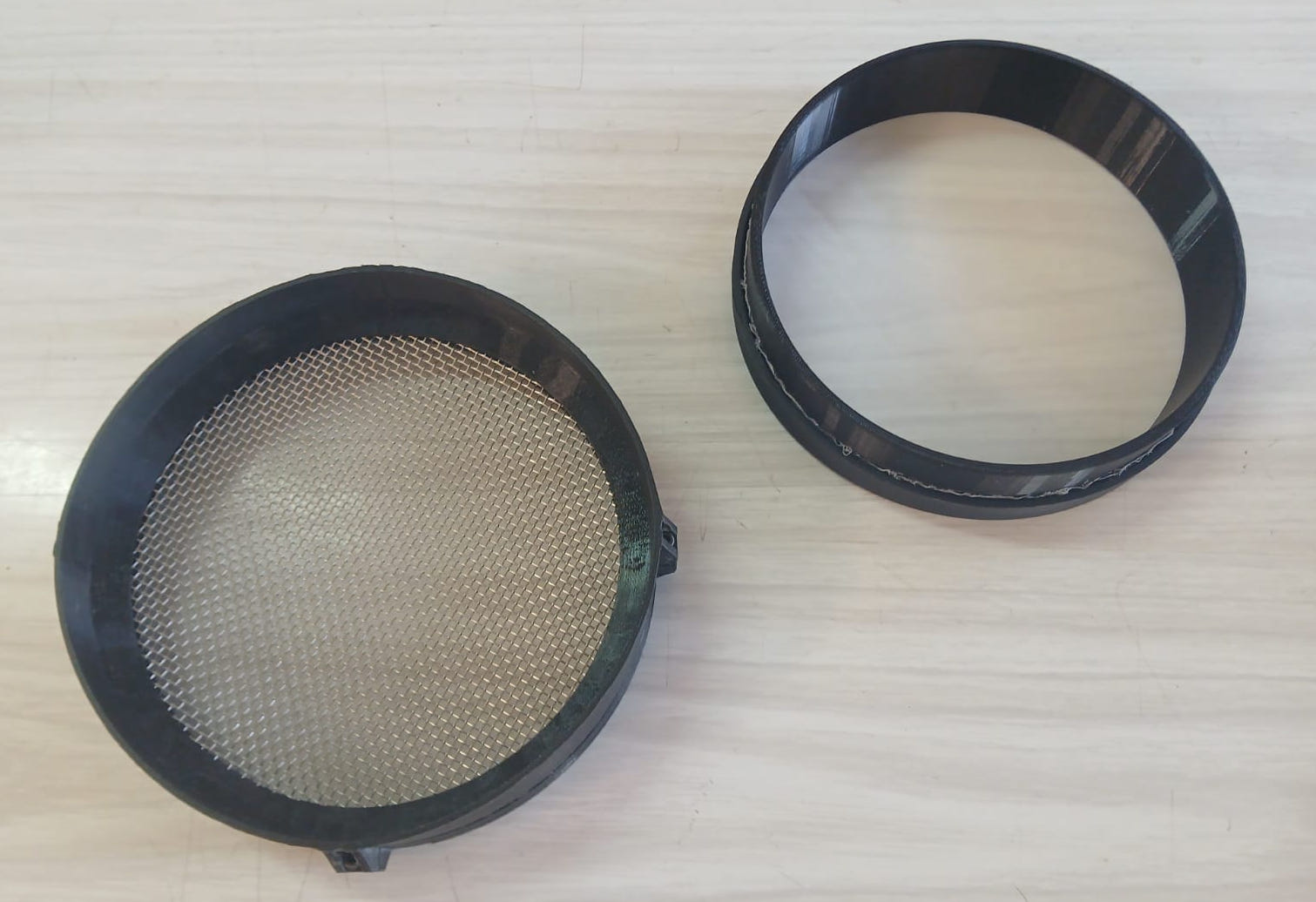
The Kit uses accessible commercial equipment alongside open devices that can be built, repaired and adapted locally. Designs, bills of materials and fabrication files are part of the documentation.
- Colorimeter: colorimetric measurements for active carbon and phosphorus.
- Conductivity and pH meters: digital pH and electrical conductivity readings.
- Respiration chamber: monitoring CO₂ released by biological activity.
- Incubator: temperature control during assays.
- Sieves and accessories: parts reproducible through digital fabrication.
The open infrastructure makes it easier to replace components, document variants and share improvements across laboratories, organizations and territories.
Design, build, adapt
Open hardware reduces dependencies, supports local maintenance and allows each tool to be adapted to the resources and needs of its users.
An initiative of the Open Agroecology Laboratory, with support from FLOAT and the School of Agricultural Sciences at the National University of Cuyo.

The Kit and its documentation are shared under a Creative Commons Attribution-ShareAlike 4.0 International license.