Activities
The laboratory’s activities, gatherings and collaborations, brought together in a single sequence.
D:food/web at DWeb Camp 2026
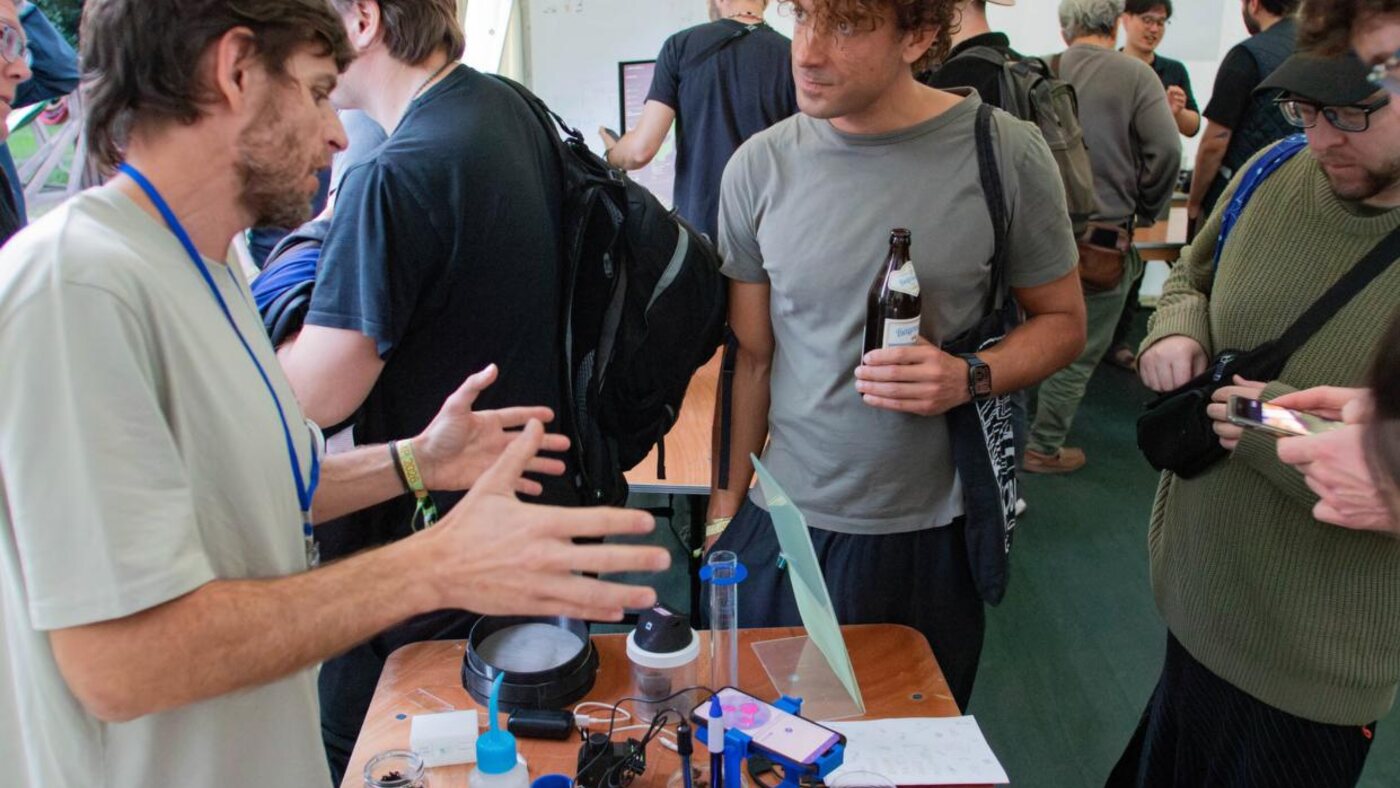
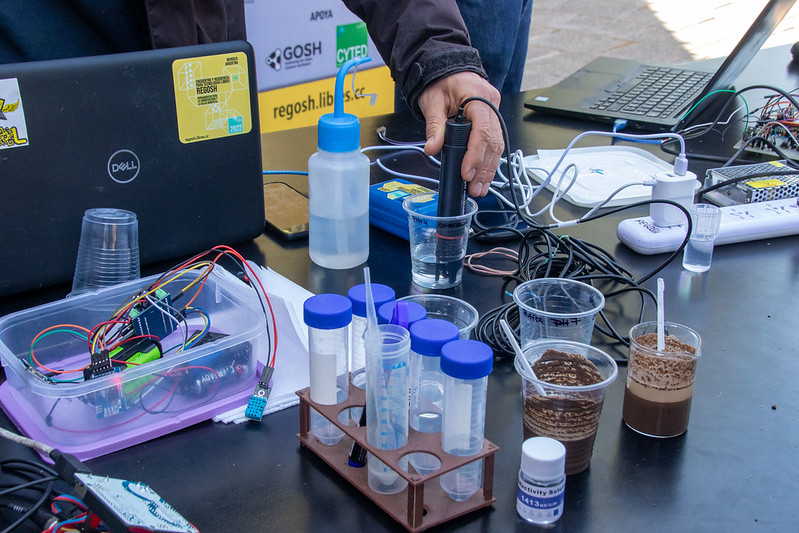
From July 8 to 12, we took part in DWeb Camp: Root Systems in Germany. In the D:food/web space we presented the open Soil Health Monitoring Kit and exchanged experiences around food sovereignty, technological autonomy, community data and open digital tools.
Kompost Festival 2026
From July 2 to 5, we took part in Kompost Festival in Berlin, a gathering connecting ecology, science, art and soil-care practices. The Laboratory held demonstrations and workshops using open tools for soil analysis.
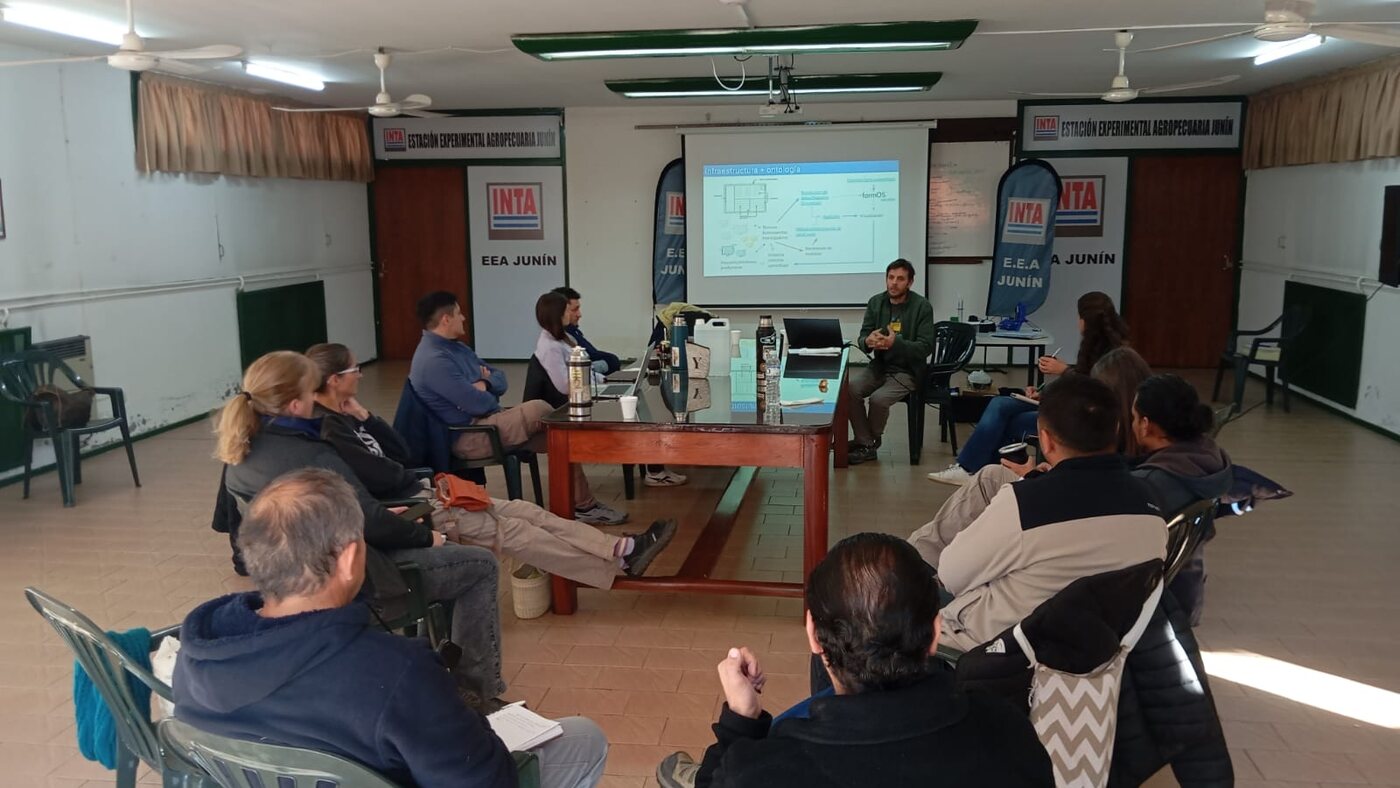
Kit workshops with technical teams
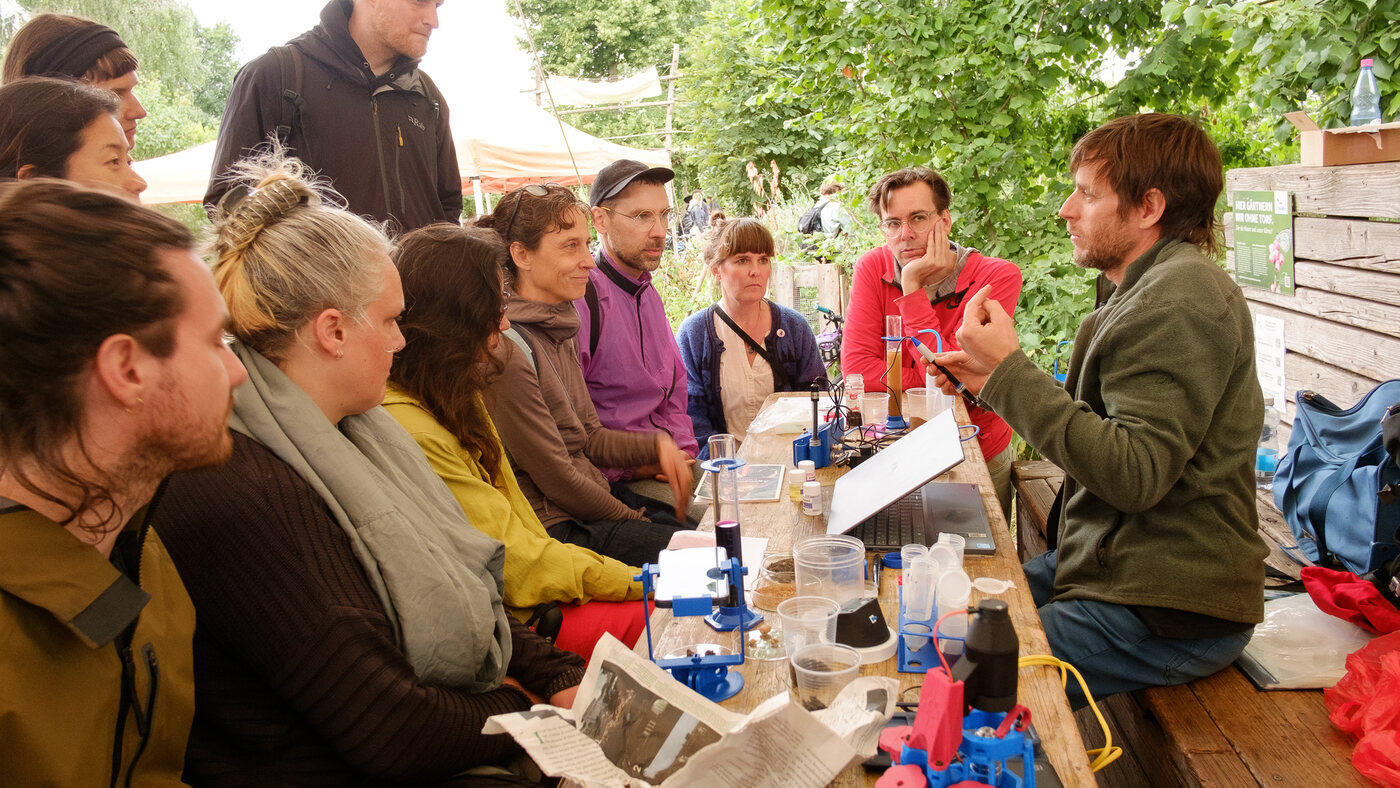
During 2026 we held training and experimentation sessions at INTA Junín and the School of Agricultural Sciences to familiarize technical teams with the Kit’s methods. The workshops combined sample preparation, instrument use and calibration, protocols, result recording and discussion of their interpretation.
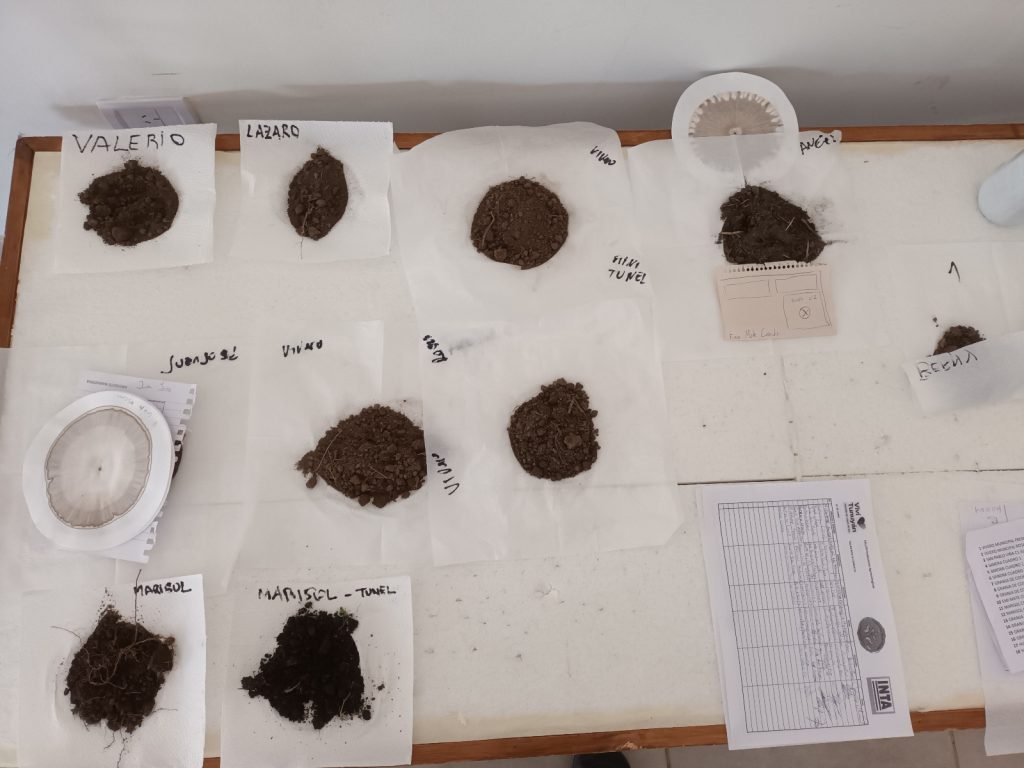
Agroecological Commons · 2023–2024
Five territorial gatherings to frame questions about soils, analyze results and discuss the public circulation and governance of collectively produced data.
digital infraestructure incubator – cs&S
We were selected for the 2023 digital infraestructure incubator by Code for Science and Society
Participants in the 2023 cohort are open digital infrastructure projects exploring questions related to community stewardship, co-ownership, co-design, or other paradigms that center sharing and/or transferring power to relevant communities.
open-climate fellowship
Nano Castro was selected as an Open-Climate fellow to explore how climate change issues can be addressed by and inscribed into the Open Agroecology Lab infrastructure.
This project is part of the Open Climate 2023 Fellowship funded by Wikimedia Alliances Fund
Our-Sci & openteam collaboration
Collaboration with Our-Sci and OpenTEAM to work on open source tools for agroecology. Funded by GOSH
We will be working on tools and methos for:
- Soil carbon prediction
- Active carbon
- Soil respiration
We will also demonstrate how an open source digital infrastructure of a distributed network of farms containing management and soil health information can be used to share, learn, and take actionable steps based on their shared knowledge.
We will organize two or three webinars to present the experience of Our-Sci and OpenTeam on the pitfalls and possibilities of adopting a digital infrastructure to collectively build knowledge and possible ways of using that infrastructure to value ecosystem services produced at farm level in connection with Open-Climate efforts.
ACTIVIties 2021
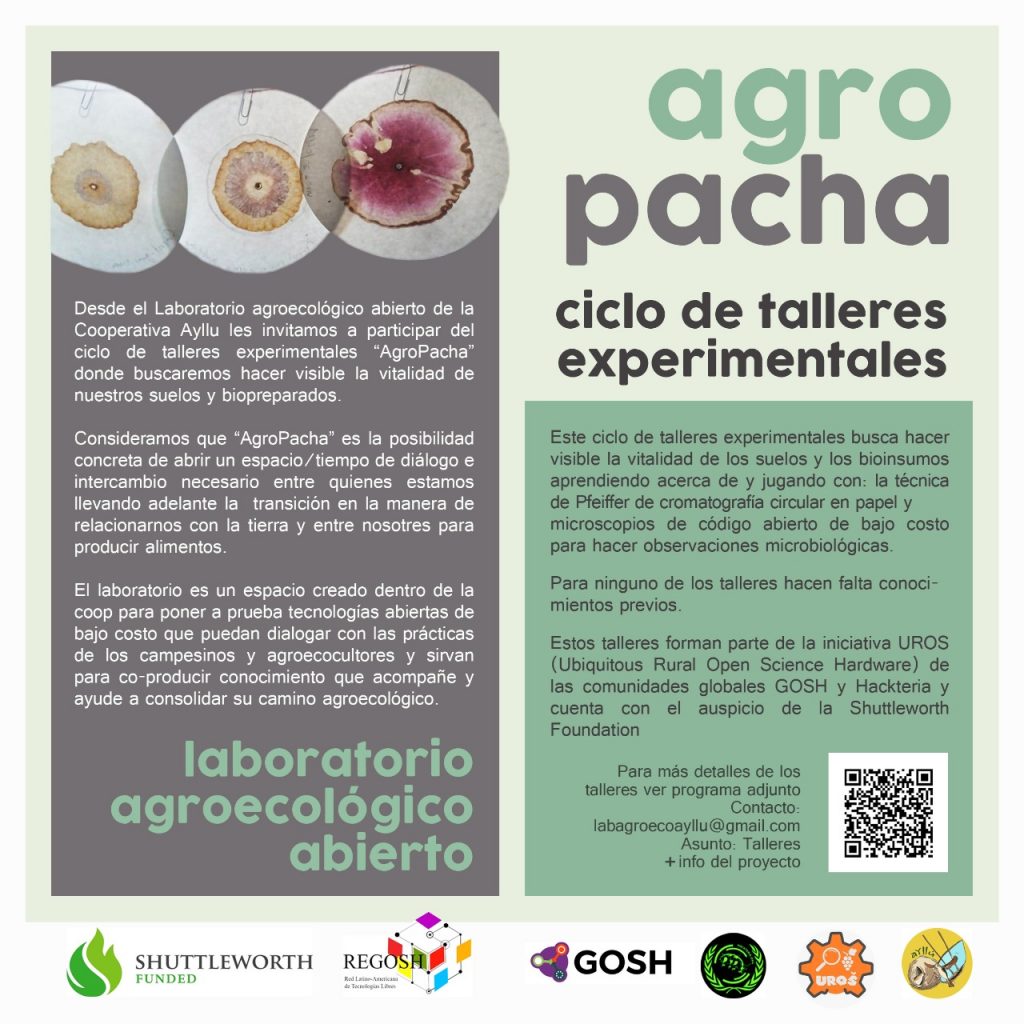
We were a remote residence of UROS project and we contributed with AgroPacha, an experimental cicle of workshops
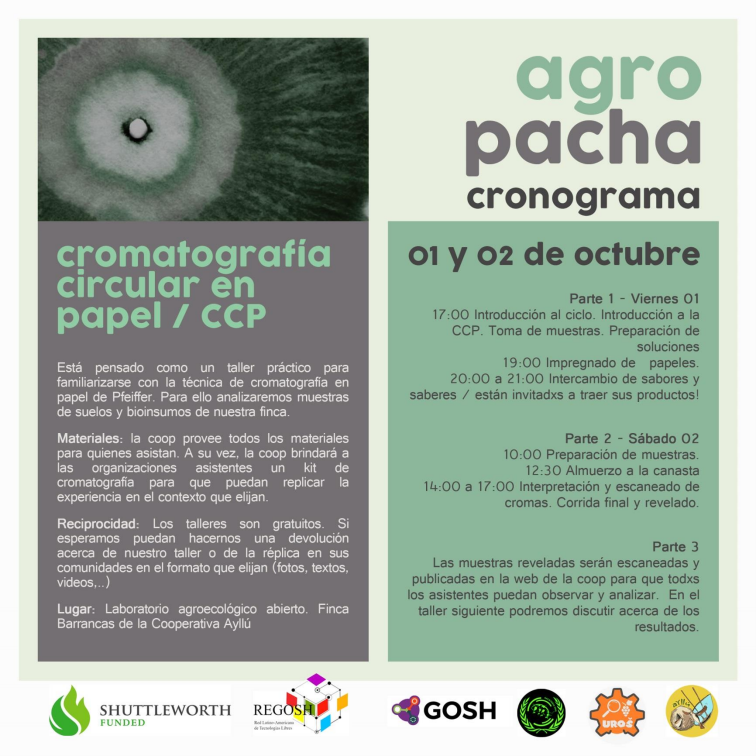
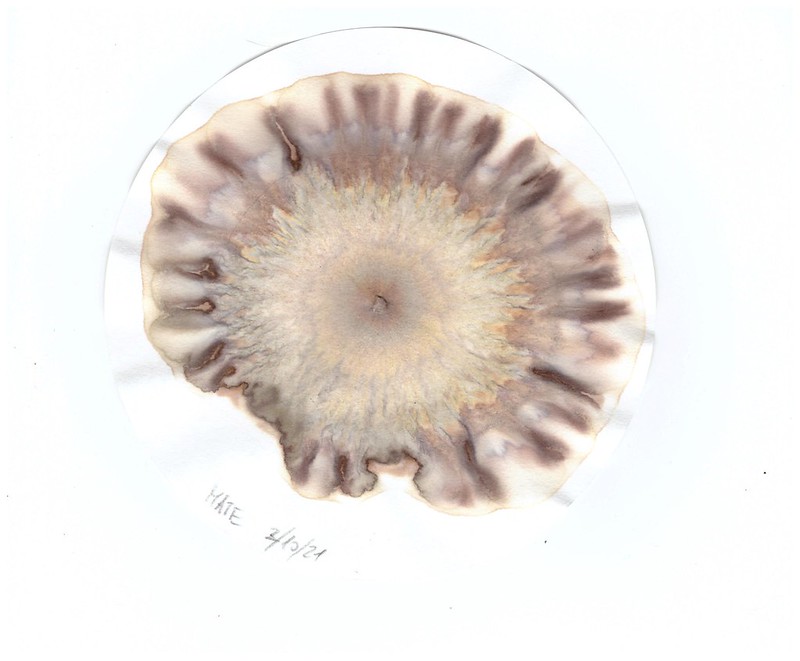
1 – 2 october – AgroPacha -Soil chromatography workshop
We used this workshop to launch locally the Open Agroecology and to attract the attention of different organizations and producers to start talking about soil vitality
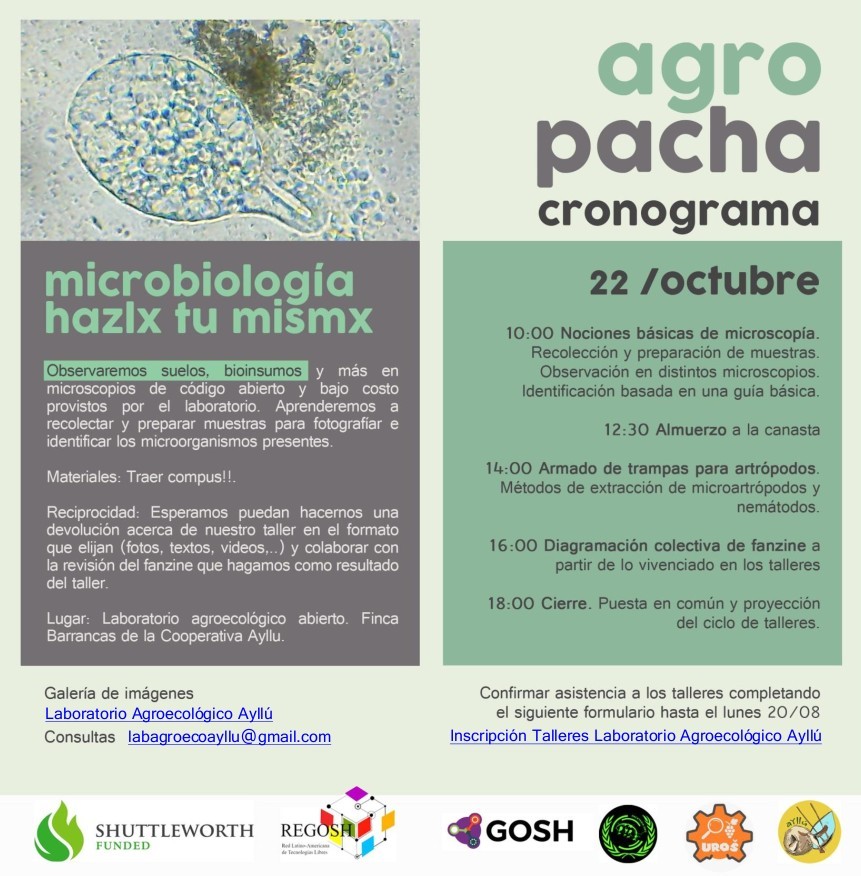
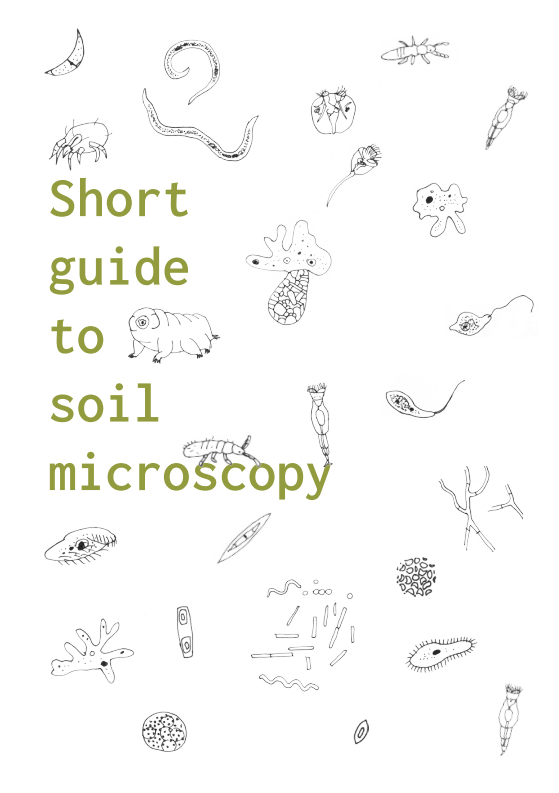
October 22 – AgroPacha – DIY microscopy workshop and beneficial fungi isolation
We worked on a basic approach to soil microscopy and also on the isolation of beneficial fungi like Trichoderma and Beauveria with people from INTA Rama Caída (Eliana García and Laura Martínez).
The workshop was attended by students from the FCA UN Cuyo Agroecology Collective, INTA, farmers from Crece desde el Pie, Cooperativa Ayllu and UST. We received the visit and collaboration of Pablo Cremades and Nico Mendez from the Buenos Aires node (reGOSH). During the workshop we played with different versions of Openflexure
December 1–2 — 3rd Argentine Congress of Open and Citizen Science (Ciaciar)
Link to the congress programme
Transversal panel: Open Science in front of the environmental emergency
We presented the Open Agroecology Lab
Recording
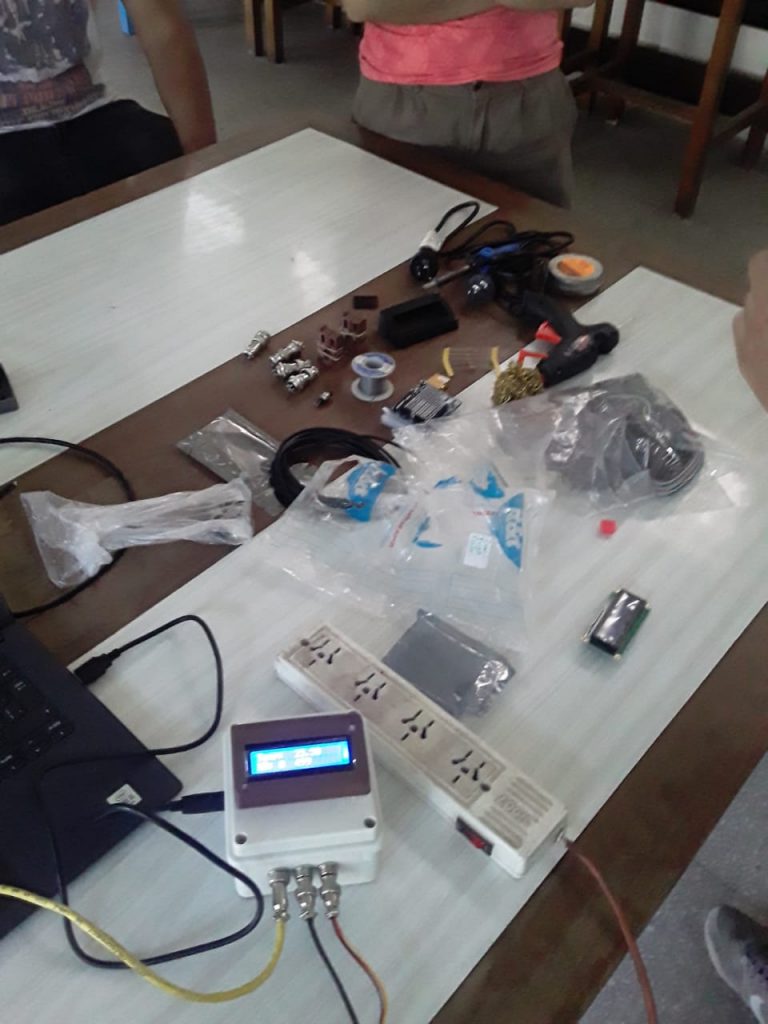
Assembly of a low cost soil respiration chamber
Virtual workshop
Recording
SOIL RESPIRATION CHAMBER ON GITLAB
2022 – openflexurecon 2022
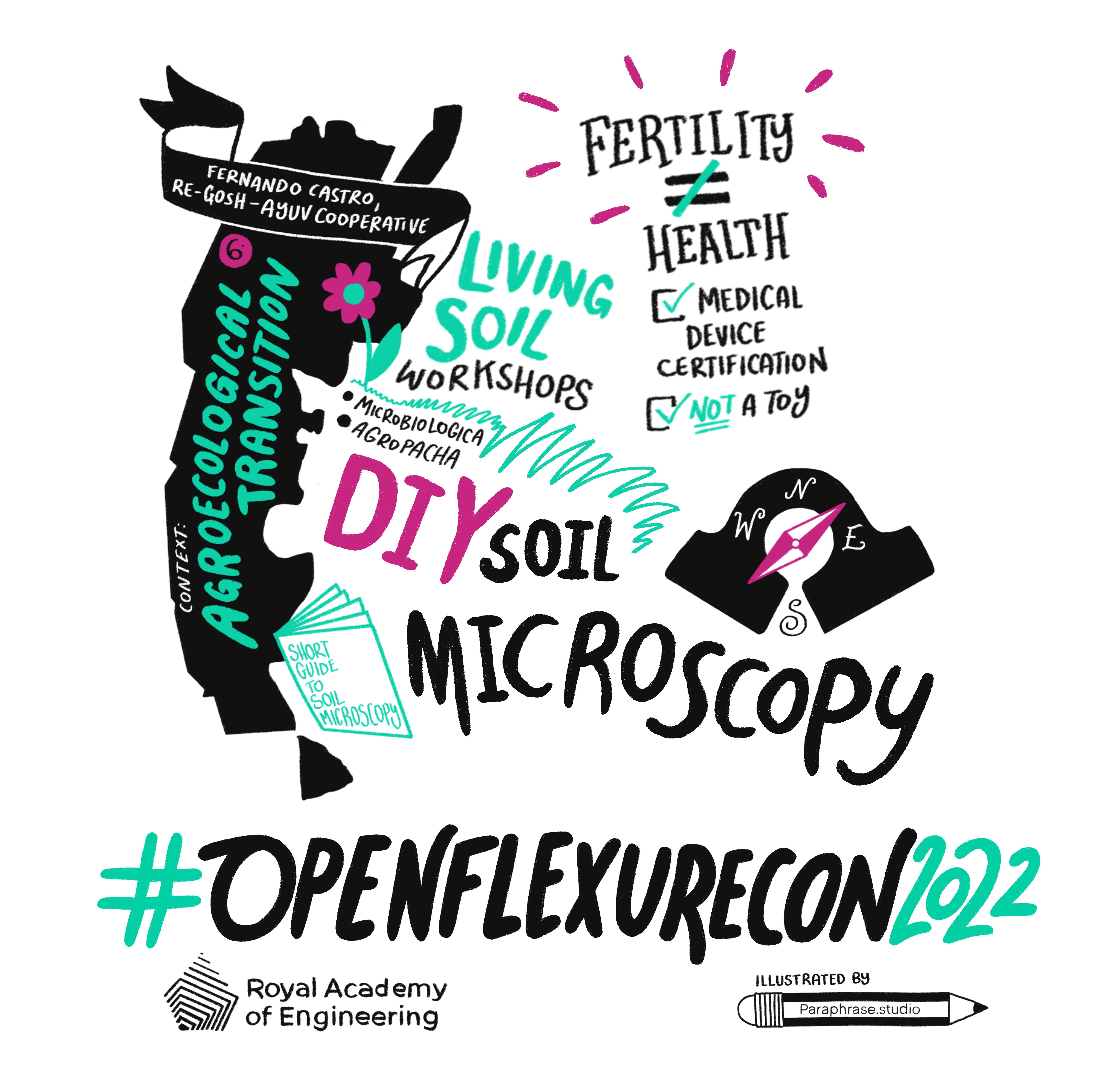
Assessing soil health with farmers in Argentina, using Open Flexure microscopes
Fernando Castro (reGOSH / Cooperativa Ayllu, Argentina) is using Open Flexure microscopes to help farmers understand the impact of their more sustainable farming practices in Argentina.
2022 – Residence + Gathering
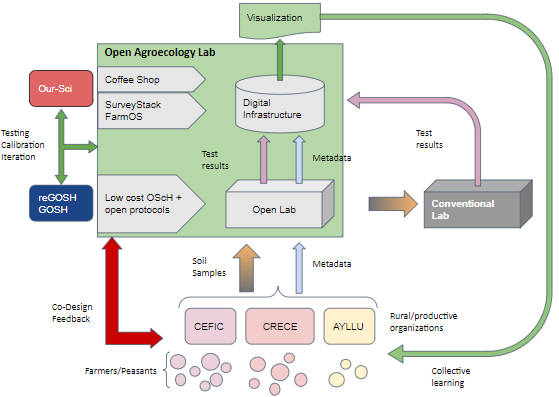
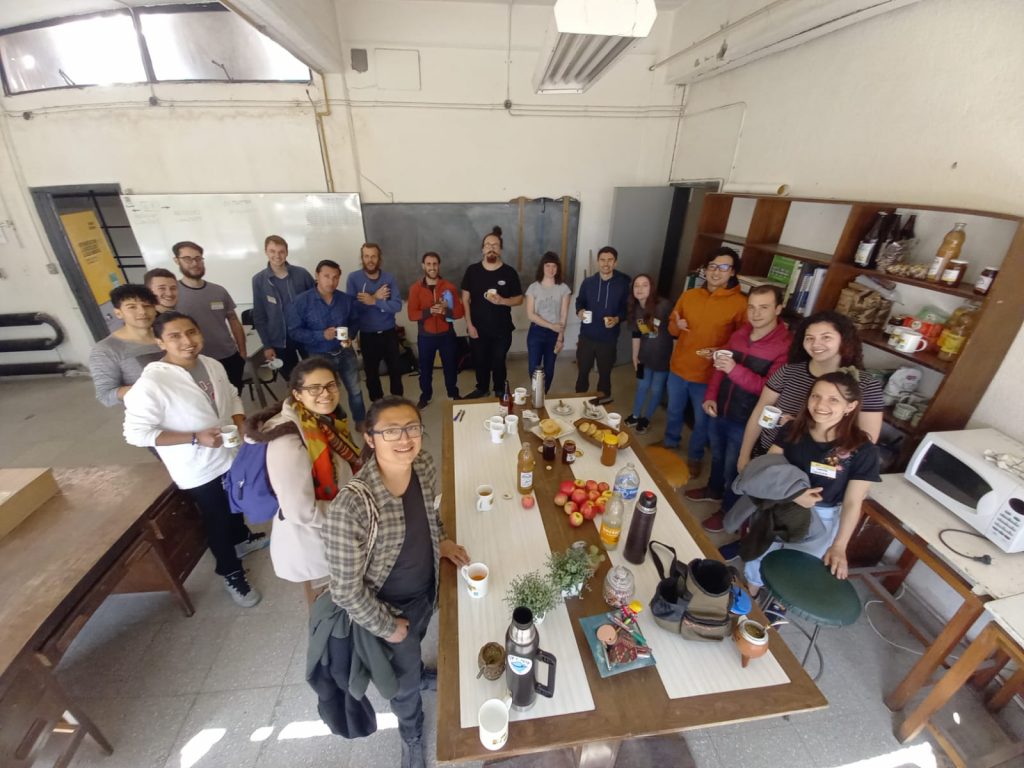
The Residence was focused on the work of the reGOSH network on prototypes and protocols for the local open agroecological laboratory project. This project seeks to integrate low-cost open scientific instruments in a laboratory that facilitates the monitoring, visualization and systematization of the changes produced on farms, particularly in soils, during their agroecological transition. In addition, the members of CoSensores and PreserVamos presented their experience and tools in relation to community water monitoring. Additionally, Our-Sci LLC worked on a proof of concept to integrate part of its community science technological infrastructure into the agroecological laboratory..
After the Residence, we held the Regional Event. Other organizations joined the event. Most participants were linked to agroecology and environmental health, such as the Unión de Trabajadores Rurales Sin Tierra (UST) and the Red Puna (both belong Movimiento Nacional Campesino Indígena – Somos Tierra), the quality management of the Central Market of Buenos Aires, the association of producers Crece desde el Pie, the Asamblea Mendocina Por el Agua Pura (AMPAP), among others. Additionally, other researchers and activists that are members of the GOSH network, the Research Center for Transformation (CENIT) and other local academic institutions also joined. During the Event, we discussed problems related to the Extractivist Model in Argentina and its consequences in the food industry, like monoculture and the use of excessive amount of agrotoxic. We also discussed about the closed nature of the scientific paradigm that supports such model.
Additionally, some community experiences related to nature conservation activism were presented. Some other participants talked about their experience with transition to agroecology. We talked about how science could help and what are the tools we need to help communities. We presented the outcomes of the Residence, in particular, the idea of an open agroecology lab based on open source tools that we built collaboratively during the Residence.
Co-Design of the Open Agroecolgy Lab
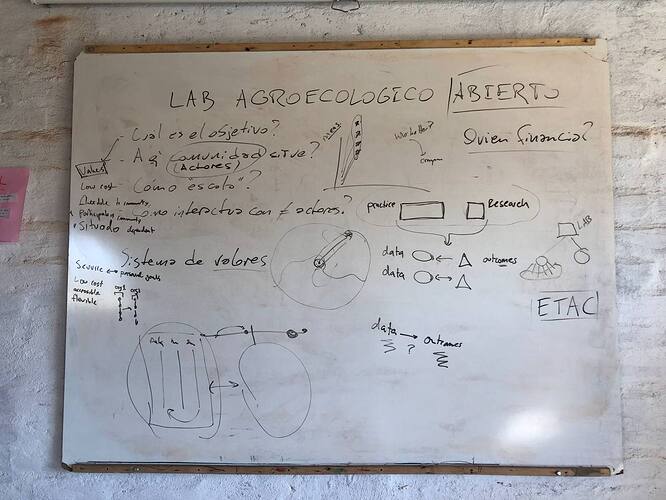
The main objective of the Residence was to take all the prototypes we have been working on in the last few years to a mature state. We also wanted to keep working on the co-desigh of the Open Agroecology Lab and its digital ingraestructure.
| Projects repository: All the tools and the outcomes of the Residence are documented here: |
We consider that this event was a rich opportunity to asses ideas related to the integration of these tools in concrete infrastructures that can serve a certain community of users. In this case, the LabAA worked as a proof of concept for this possible integration and contextualization of open technologies in a scientific/technological infrastructure, that can provide technical support in the agroecological transition. The visits to the territories, talks and interactions that arose with the local communities are proof that this type of infrastructure is not only possible but also necessary for these communities.
| Final report: you can find more all the information about this event here: |